Advanced Adhesive Solutions for CGM Devices and BGM Systems
The management of diabetes has been revolutionized by the advent of continuous glucose monitoring systems and advanced blood glucose meters. While the digital technology and enzymatic chemistry attract the headlines, the physical integrity of these devices relies heavily on the components that keep them attached to the human body. For companies seeking reliable manufacturing partners, securing a specialized continuous glucose monitor patch maker is essential to ensuring patient compliance and device accuracy. The interface between the device and the skin is not merely a sticker; it is a advanced medical component built to withstand the rigors of daily life while maintaining biocompatibility.Wearable medical technology demands a unique approach to adhesion. A sensor adhesive patch for CGM must maintain a delicate balance. It has to be strong enough to keep the sensor secured for ten to fourteen days, withstanding moisture from sweat, showers, and swimming. Simultaneously, it must be skin-friendly enough to avoid skin irritation or allergic reactions during removal. This is where the expertise of a wearable device adhesive provider becomes indispensable. By using breathable, hypoallergenic materials, manufacturers can create patches that adapt to the skin, reducing the risk of the sensor being dislodged accidentally, which would cause data loss and wasted expensive hardware.
Beyond the external fixation, the internal components of diagnostic devices demand extreme precision. A blood glucose meter component maker focuses on the intricate layers that make up a test strip. These strips are wonders of micro-engineering, needing exact spacing and material properties to function correctly. One of the most critical elements is the BGM test strip spacer tape. This tape acts as the channel that establishes the capillary action, pulling the blood sample into the reaction chamber. If the spacer tape is inconsistent in thickness or cut, the blood volume required might be incorrect, leading to inaccurate readings. Similarly, the glucose strip spacer tape must be hydrophilic, allowing the sample to flow smoothly without bubbles that could impede the reaction.
Material science plays a massive role in the efficacy of these diagnostics. The integration of hydrophilic film for glucose test strips ensures that the biological sample interacts efficiently with the reagents. Without this specialized film, the surface tension of the blood would stop it from filling the reaction chamber effectively. The test strip adhesive parts for BGM used to bond these layers must be chemically inert to avoid interfering with the enzymes that react with glucose. This level of chemical stability is critical for maintaining the accuracy of the test results, which patients rely on for insulin dosing decisions.
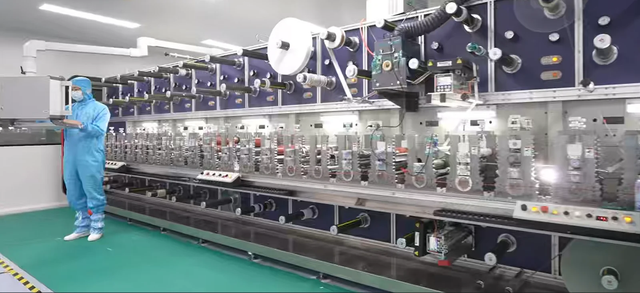
The manufacturing process for these sophisticated components relies upon precision. medical adhesive precision die cutting is the technique that facilitates the mass production medical adhesive patch for CGM sensor of these tiny, complex shapes with tolerances measured in micrometers. A adhesive component maker for medical devices utilizes advanced rotary die-cutting technology to ensure that every patch and every test strip component is identical. This consistency is vital for automated assembly lines where speed and accuracy are paramount. For companies looking to outsource, locating a overlay patch producer for CGM capable of delivering high-volume production without compromising quality is a significant strategic advantage.
The market also demands variety. Patients have different skin types, lifestyles, and preferences. Therefore, a CGM overlay patch provider must offer a range of options, from clear, breathable films to fabric-like materials that offer greater durability. A tailored CGM adhesive patches service allows device brands to differentiate themselves by offering patches that fit unique sensor geometries or provide enhanced features like antimicrobial properties. As the Internet of Things continues to merge with healthcare, the role of a CGM adhesive provider evolves to meet the challenges of longer wear times and more active patient lifestyles.
In conclusion, the efficacy of diabetes management technology is deeply grounded in the quality of its adhesive and material components. From the hydrophilic film for glucose test strips that ensures fluid dynamics, to the robust outer layers that keep a sensor attached during a marathon, every layer matters. Partnering with a comprehensive adhesive parts manufacturer for medical devices ensures that these critical interfaces are reliable, safe, and effective, ultimately improving the quality of life for millions of patients worldwide.